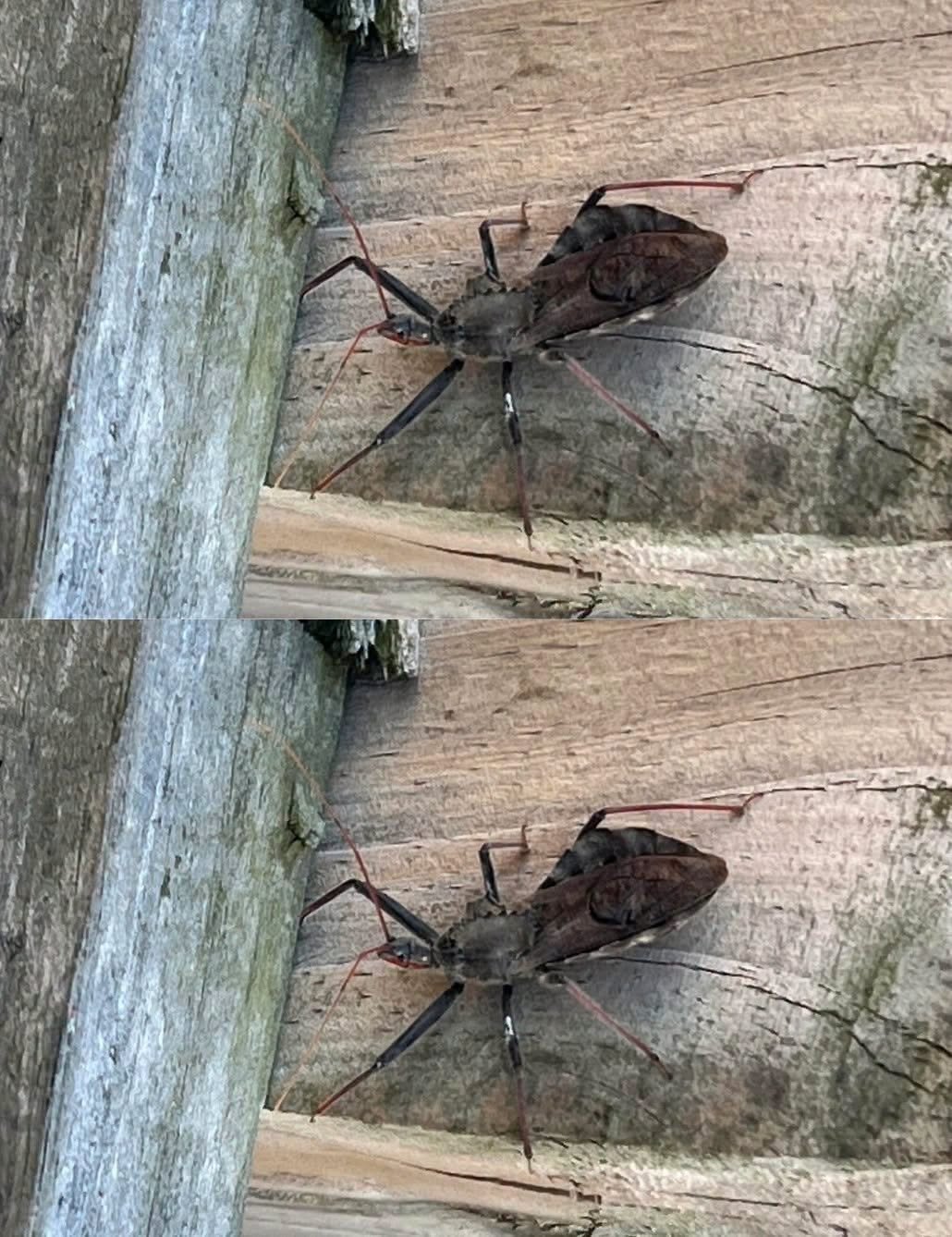
Summer brings plenty of insects, and assassin bugs are among the ones worth knowing about. Most assassin bugs are harmless predators that actually help control garden pests. However, a group known as kissing bugs can transmit Chagas disease.
The important thing is knowing the difference and understanding what to do after a suspected bite.
What Is an Assassin Bug?
Assassin bugs belong to the Reduviidae family and are found throughout much of the United States. They can vary considerably in appearance, but many have elongated bodies and narrow, cone-shaped heads.
Kissing bugs are a specific group within this family that feed on blood and can transmit Trypanosoma cruzi, the parasite that causes Chagas disease.
Not every assassin bug is a kissing bug, and most assassin bugs do not transmit Chagas disease.
Why Kissing Bug Bites Matter
Kissing bugs typically feed at night. After feeding, an infected bug may leave parasite-containing feces near the bite.
If those feces enter the bite wound, eyes, mouth, or another mucous membrane, the parasite can enter the body.
Chagas disease can initially cause few or no symptoms. When symptoms occur, they may include:
- Fever
- Fatigue
- Headache
- Muscle or body aches
- Rash
- Swelling near the bite or around an eye
Years later, some untreated infections can lead to serious heart or digestive complications.
What to Do After a Suspected Bite
1. Clean the Area
Wash the bite gently with soap and water. Avoid scratching it, particularly if you are concerned that insect feces may have contacted the wound.
2. Don’t Handle the Insect
If you see the insect, don’t crush or handle it with your bare hands. If possible, take a clear photograph from a safe distance for identification.
3. Watch for Symptoms
Pay attention to unusual fever, fatigue, swelling, rash, or other symptoms after a suspected exposure.
4. Contact a Healthcare Professional
If you believe you were bitten by a kissing bug, especially after traveling or living in an area where Chagas disease occurs, discuss the exposure with a healthcare professional. They can determine whether testing is appropriate.
Seek emergency care for difficulty breathing, severe swelling, or other signs of a serious allergic reaction.
How to Recognize a Kissing Bug
Kissing bugs can have:
An elongated body
A cone-shaped head
Long antennae
Dark coloration with reddish or orange markings along the edges
Nocturnal behavior
However, identification can be difficult because several harmless insects look similar. A clear photograph can be much more useful than trying to identify the insect from memory.
For Complete Cooking STEPS Please Head On Over To Next Page Or Open button (>)

That Mysterious Slab of Granite in Your Kitchen? Boomers Knew It Was a Heat Pad—Here’s Why
Yarrow-Infused Healing Tea

Butter Swim Biscuits !!!

4-Ingredient Poor Man’s Saltine Toffee: The Easy Old-Fashioned Treat Everyone Loves

Your Glass Top Stove Can Shatter If You Make This Mistake