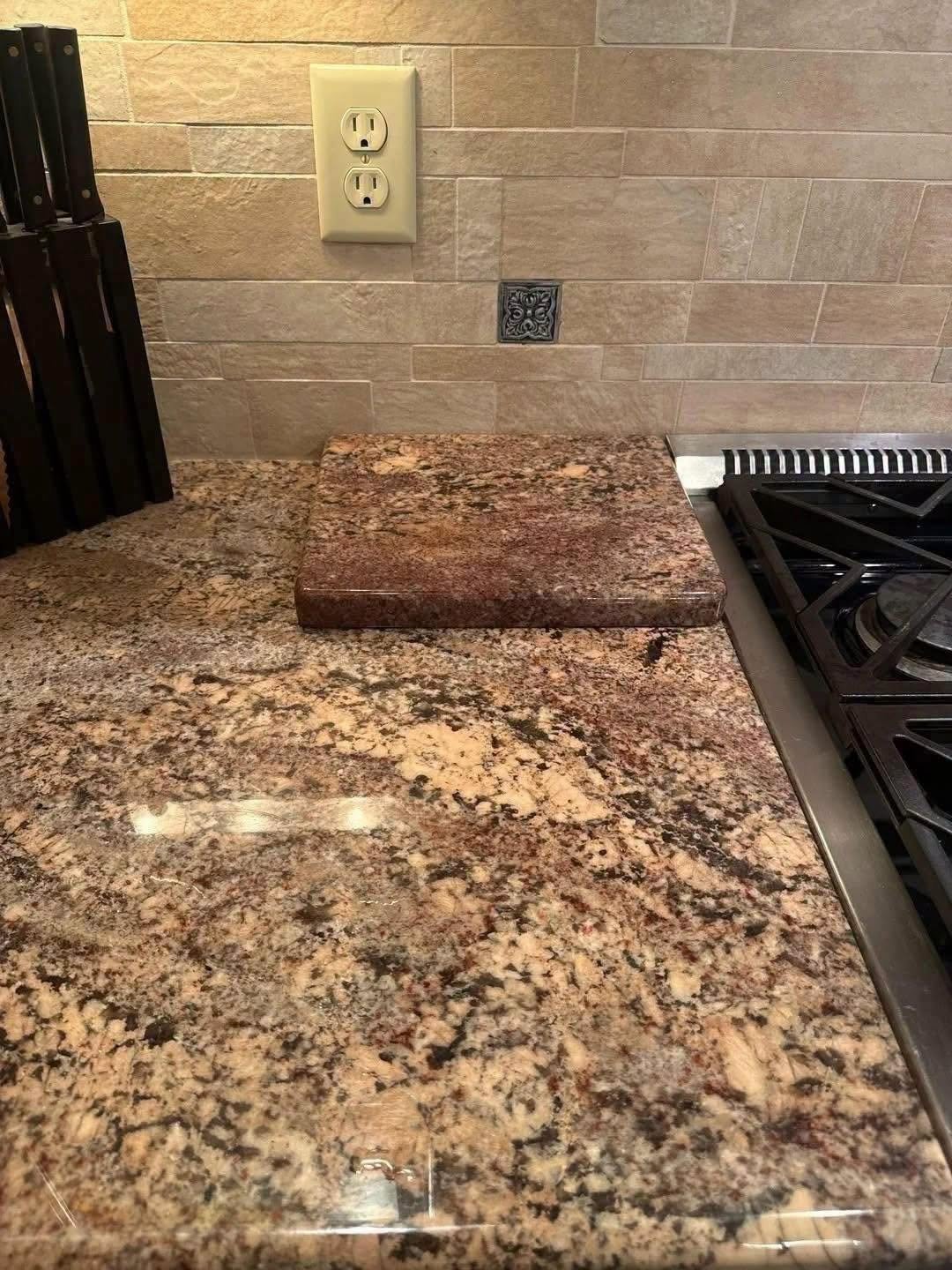
Have you ever found a smooth granite slab hidden in an old kitchen cabinet and wondered what it was used for?
Many older kitchens had a loose granite or marble slab stored behind dishes or appliances. While younger generations may not recognize it, home bakers once used these stone slabs almost every day.
Before silicone baking mats and modern pastry boards became common, granite slabs were a practical tool for rolling dough, cooling pastries, and even serving food.
Today, many people are rediscovering this traditional kitchen item because of its durability, simplicity, and usefulness.
Why Granite Was Used for Baking
Granite naturally stays cool for a long time. This made it especially useful when preparing pie dough, biscuits, and pastries.
Cold surfaces help keep butter from melting too quickly inside dough. This is important because cold butter creates flaky and tender pastry layers.
Home bakers would often place the granite slab in a cool pantry or refrigerator before using it.
The cool surface helped:
- Prevent sticky dough
- Keep pastry easier to handle
- Improve pie crust texture
- Create more even rolling
Because of this, granite pastry slabs became a trusted baking tool in many homes.
Why Many Families Stopped Using Them
As modern kitchens became more advanced, many people stopped baking from scratch as often as previous generations.
Store-bought pie crusts, ready-made dough, and modern countertops slowly replaced traditional baking tools.
Over time, many granite slabs were forgotten and stored away in cabinets or garages.
Today, some families still discover them in old kitchens without knowing their original purpose.
Common Uses for Granite Slabs
Rolling Dough
This was the most common use.
A lightly floured granite surface provides a smooth and cool area for rolling pie crusts, biscuits, cookies, and pastry dough.
Chocolate and Candy Work
Granite also works well for chocolate because the stone stays cool naturally.
Some bakers spread melted chocolate on granite surfaces to help it cool evenly.
Serving Cheese and Desserts
Cold granite slabs can also be used as serving boards for:
- Cheese
- Fruit
- Pastries
- Desserts
- Charcuterie
The cool stone helps food stay fresh longer during gatherings.
Granite vs Marble
Both granite and marble have traditionally been used in kitchens, but granite has several advantages.
Granite Benefits
More durable
- Less porous
- More resistant to scratches
- Less likely to stain
- Better for daily use
Marble Benefits
- Smooth surface
- Popular in pastry kitchens
- Elegant appearance
However, marble is softer and may chip or stain more easily than granite.
How to Use a Granite Pastry Slab
Using one is very simple.
Step 1
Place the slab in the refrigerator for about 20 minutes before use.
Step 2
Lightly dust the surface with flour.
Step 3
Place chilled dough in the center.
Step 4
Roll evenly using a rolling pin.
Step 5
Clean gently with a damp cloth and dry thoroughly.
Avoid soaking the slab in water or placing it in the dishwasher.
How to Identify a Granite Pastry Slab
Traditional pastry slabs usually have these features:
- Heavy weight
- Smooth polished top
- Thick stone surface
- Rectangular shape
- Natural granite pattern
Most are large enough for rolling pie dough but small enough to fit in a kitchen cabinet.
Where to Find One Today
If you do not already own one, granite pastry slabs are still available.
You can often find them at:
- Kitchen supply stores
- Home goods shops
- Online marketplaces
- Local stone fabricators
Some countertop companies even sell leftover granite pieces that work perfectly for baking.
For Complete Cooking STEPS Please Head On Over To Next Page Or Open button (>)

What To Do If Bitten By An Assassin Bug: A Practical Guide to Protection and Care

Yarrow-Infused Healing Tea
Butter Swim Biscuits !!!
4-Ingredient Poor Man’s Saltine Toffee: The Easy Old-Fashioned Treat Everyone Loves
Your Glass Top Stove Can Shatter If You Make This Mistake