How to Reduce Encounters
A few simple measures can make your home less attractive to these insects:
Seal cracks and gaps around doors and windows.
Repair damaged screens.
Keep woodpiles and debris away from the house.
Reduce unnecessary outdoor lighting at night.
Keep vegetation trimmed near the foundation.
Control rodents and other potential wildlife hosts.
Keep sleeping areas and pet bedding clean.
When traveling in areas where Chagas disease is more common, use appropriate insect repellent and choose accommodations with well-sealed windows and doors.
Frequently Asked Questions
Are all assassin bugs dangerous?
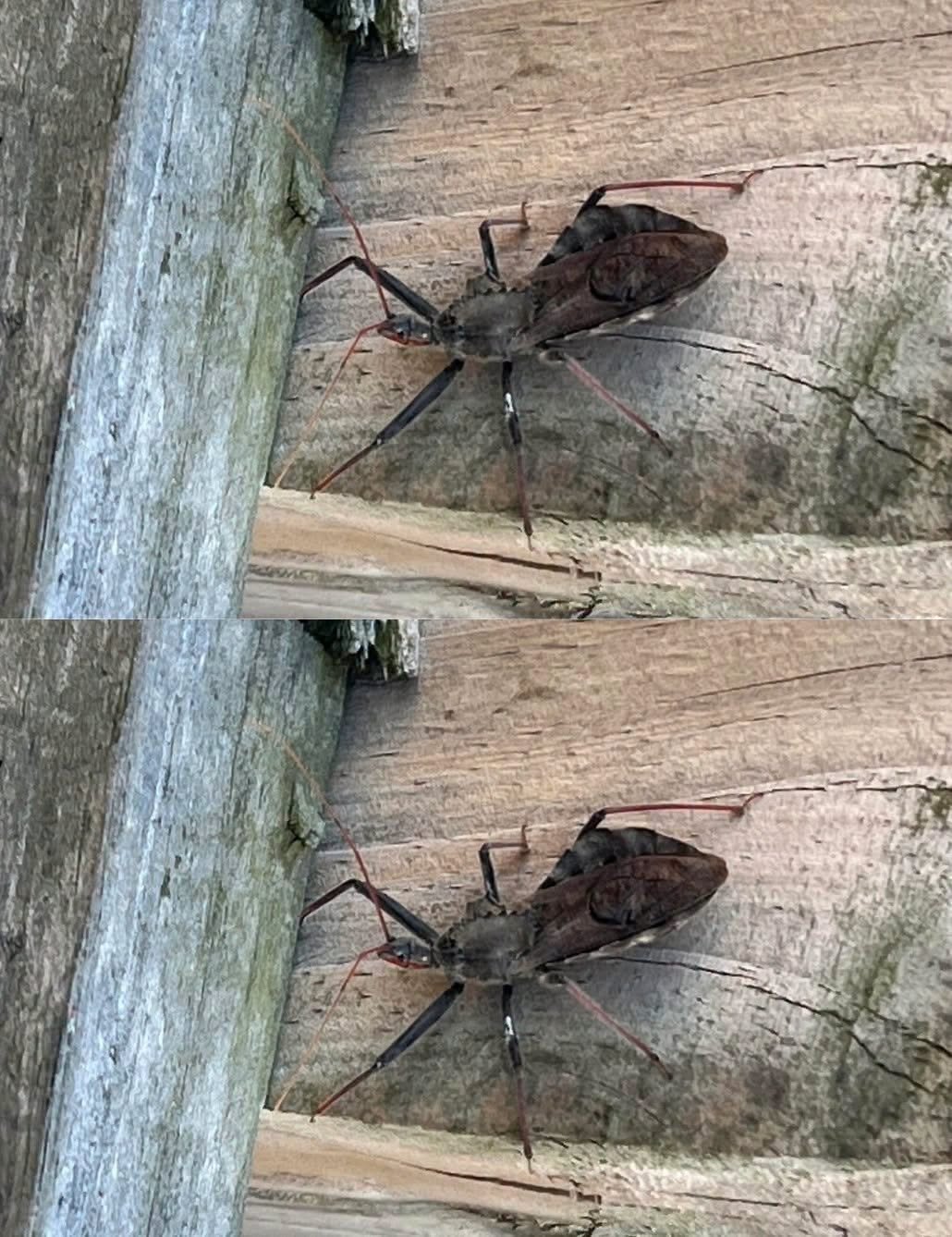
No. Most assassin bugs are predators that feed on other insects. Only certain kissing bug species are important vectors of Chagas disease.
Does finding a kissing bug mean I have Chagas disease?
No. Finding an insect does not mean you were bitten or infected. If you suspect a bite or have symptoms, speak with a healthcare professional.
Can Chagas disease be treated?
Yes. Antiparasitic medications can treat T. cruzi infection, and treatment is generally most effective when started early.
Can pets get Chagas disease?
Yes. Dogs and other mammals can become infected. If you are concerned about possible exposure, contact a veterinarian.
The Bottom Line
Assassin bugs deserve awareness, not panic.
Most are harmless, while certain kissing bugs can transmit Chagas disease. If you encounter a suspected kissing bug, avoid handling it, clean any bite with soap and water, document the insect if possible, and contact a healthcare professional if you believe you were exposed.
A little knowledge and a few practical precautions can help you enjoy the outdoors without unnecessary worry.
For Complete Cooking STEPS Please Head On Over To Next Page Or Open button (>)
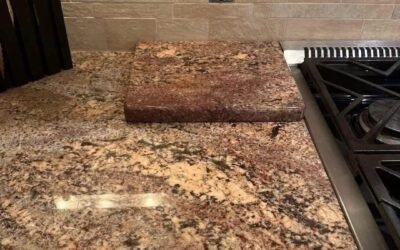
That Mysterious Slab of Granite in Your Kitchen? Boomers Knew It Was a Heat Pad—Here’s Why

Yarrow-Infused Healing Tea

Butter Swim Biscuits !!!

4-Ingredient Poor Man’s Saltine Toffee: The Easy Old-Fashioned Treat Everyone Loves
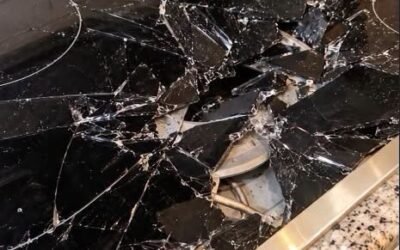
Your Glass Top Stove Can Shatter If You Make This Mistake